Understanding the Glycemic Index: A Guide to Healthier Eating

Updated: Aug 21

The Rising Concern of Diabetes
Diabetes is on the rise in the United States. Many people at risk remain unaware of their condition. The Western Diet, which is heavily based on processed foods high in sugar, plays a significant role in this growing issue. Diabetes occurs when the body cannot produce enough insulin to regulate blood glucose levels effectively.
What is the Glycemic Index?
Many have heard of the Glycemic Index (GI), but what does it truly mean? The GI measures how specific foods affect blood sugar levels. It does this by analyzing how quickly foods release sugar into the bloodstream and how the body processes them. Essentially, it assesses carbohydrate digestion. Some foods digest quickly, while others take longer, indicating their impact on blood glucose.
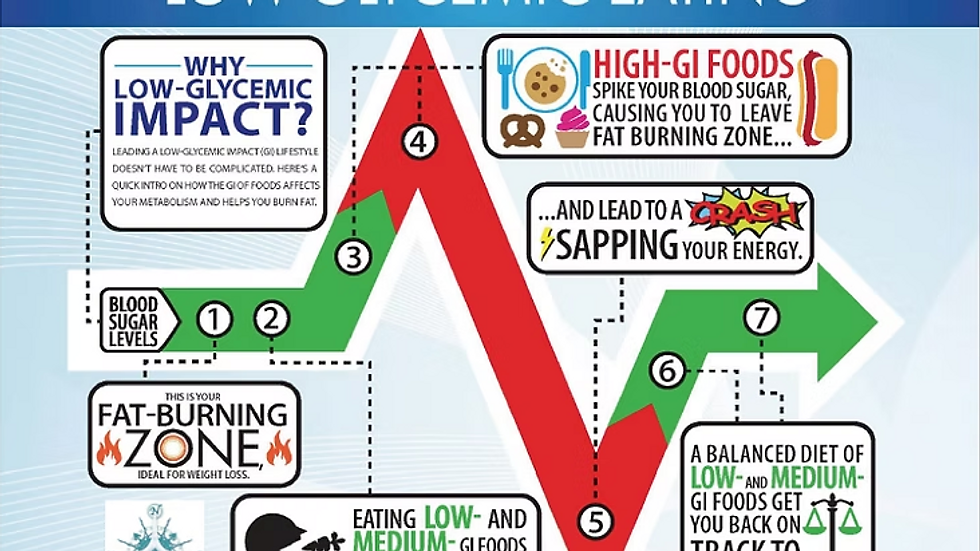
The GI scale ranges from 0 to 100. Foods with a low GI (55 or less) are digested slowly. This slow digestion leads to a gradual rise in blood sugar. Conversely, foods with a GI above 70 cause sharp fluctuations in blood sugar levels. These fluctuations are linked to Type 2 diabetes. Foods are ranked based on their ability to raise blood glucose after consumption. Low GI foods are often high in fiber. This fiber takes longer to digest, helping you feel full longer and aiding in appetite control. This is particularly beneficial for weight management.
Benefits of a Low-GI Diet
Following a low-GI diet can help maintain steady blood sugar levels. This stability can lower the risk of cell damage and other issues, such as fading eyesight, memory lapses, food cravings, and difficulty losing weight. However, as Mandal (2014) notes, "one of the major drawbacks of glycemic index is that the glycemic response to a particular food varies between individuals as well from day to day and even throughout different points in the day." Therefore, it is essential to understand how your body responds to certain foods.
Lower GI foods release sugar more slowly. This slow release leads to a gradual rise in blood sugar, resulting in more stable levels over time. There are many ways to incorporate a low-GI diet into your eating habits.
Incorporating Low-GI Foods into Your Diet
Adopting a low-GI diet doesn't have to be complicated. Here are some practical tips to help you get started:
Choose Whole Foods: Opt for whole grains, legumes, fruits, and vegetables. These foods typically have a lower GI than their processed counterparts.
Combine Foods: Pair high-GI foods with low-GI options. For example, enjoy white rice with beans or a piece of fruit with a handful of nuts. This combination can help moderate blood sugar spikes.
Be Mindful of Portion Sizes: Even low-GI foods can affect blood sugar if consumed in large quantities. Pay attention to portion sizes to maintain balanced levels.
Experiment with Cooking Methods: Cooking methods can influence the GI of foods. For instance, al dente pasta has a lower GI than fully cooked pasta. Try different cooking techniques to find what works best for you.
Stay Hydrated: Drinking plenty of water can help your body manage blood sugar levels. Aim for at least eight glasses a day.
Plan Your Meals: Preparing meals in advance can help you make healthier choices. Include a variety of low-GI foods in your meal planning.
Understanding Glycemic Load
The Glycemic Load (GL) measures the type, quality, and quantity of carbohydrates in a food. It provides a more comprehensive view of how a food will impact blood sugar levels.
Glycemic Load Formula:
GL = GI x Carbohydrate (g) content per portion ÷ 100.
For example, a single apple has a GI of 38 and contains 13 grams of carbohydrates.
GL = 38 x 13/100 = 5.
In contrast, a potato has a GI of 85 and contains 14 grams of carbohydrates.
GL = 85 x 14/100 = 12.
From this, we can predict that the potato will have twice the glycemic effect of an apple.

Conclusion: Making Informed Choices
Understanding the Glycemic Index and Glycemic Load can empower you to make informed dietary choices. By focusing on low-GI foods, you can help maintain stable blood sugar levels and support overall health. Remember, each person's body responds differently to foods. It’s essential to listen to your body and adjust your diet accordingly.
References
Emberly (2011, Nov 8). Glycemic Index. Retrieved from
Glycemic Index and Glycemic Load. Retrieved from
Mandal, A (2014, July 20). Glycemic Limitations. Retrieved from
What about Glycemic Load? - Glycemic Index Foundation. (2017). Retrieved from


Comments